We have some wonderful news, Pest Free Onetahua has been awarded $791,250 from the DOC Community Fund, giving our team the certainty to continue predator control over the next three years.
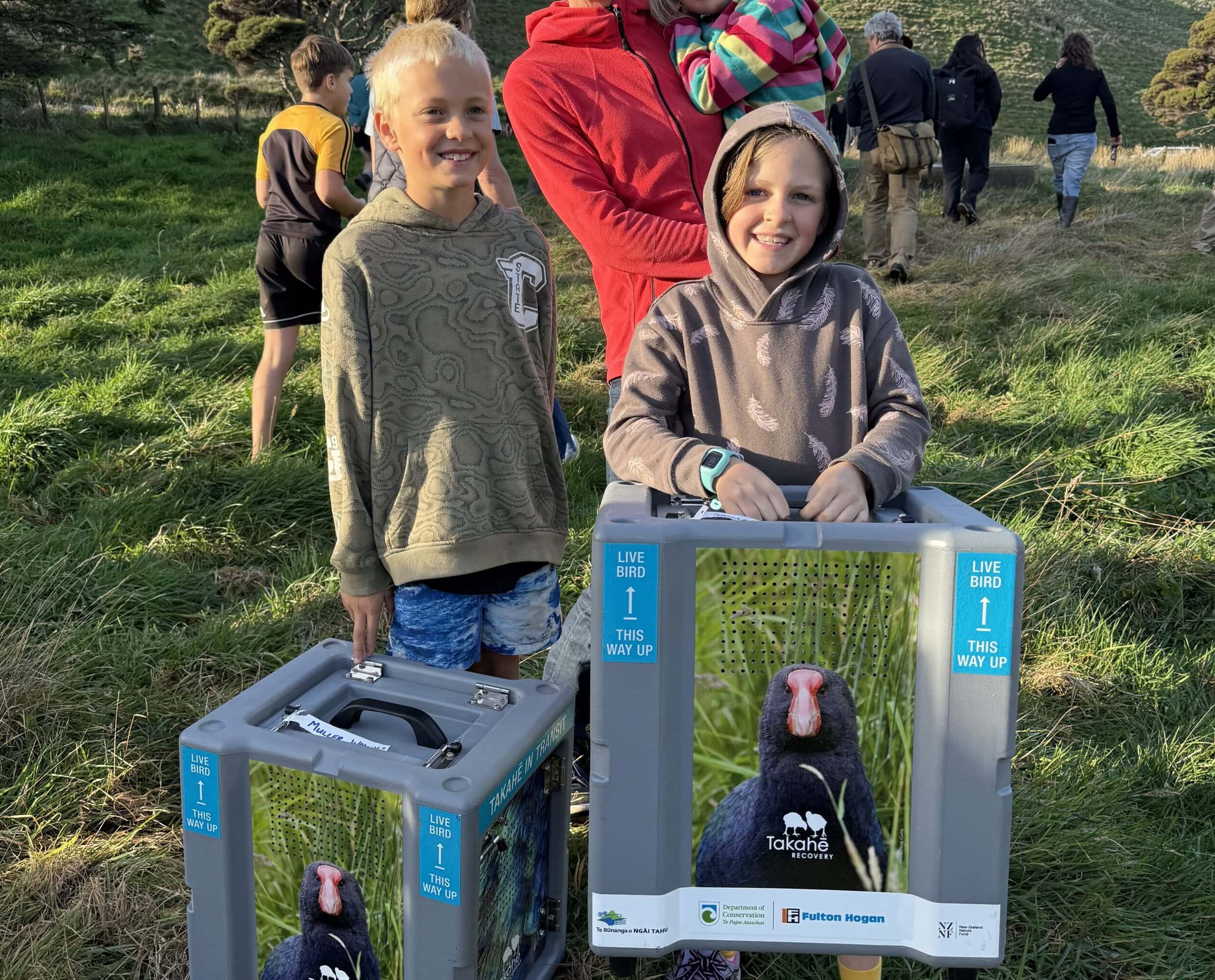
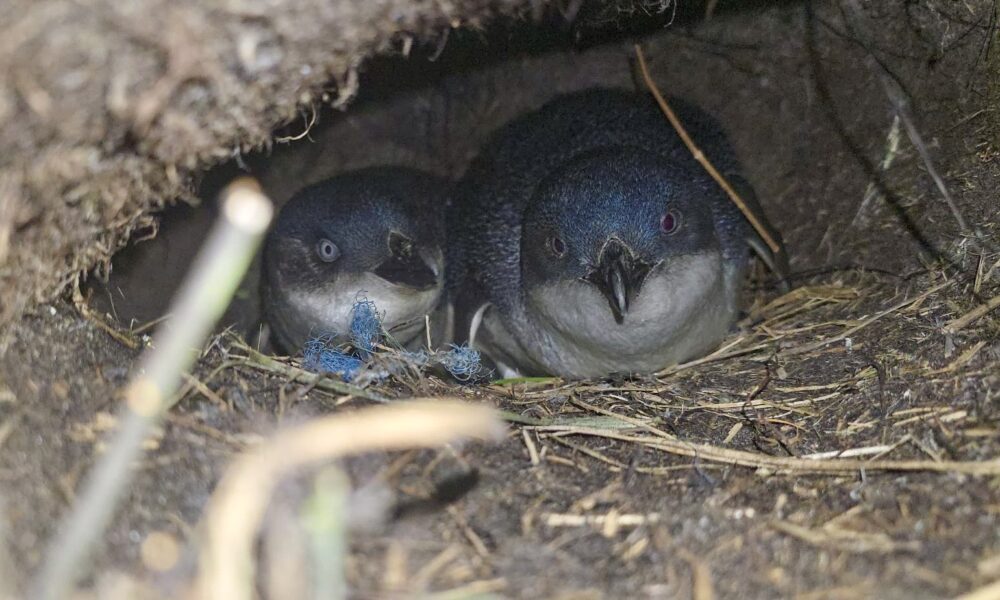
This is about much more than traps and numbers. It’s about looking after the eight takahē now roaming at Triangle Flat, protecting an established population of kororā/little blue penguins, and creating safer habitat for kiwi and other threatened species.
It is also about protecting one of Aotearoa’s most important places for shorebirds.
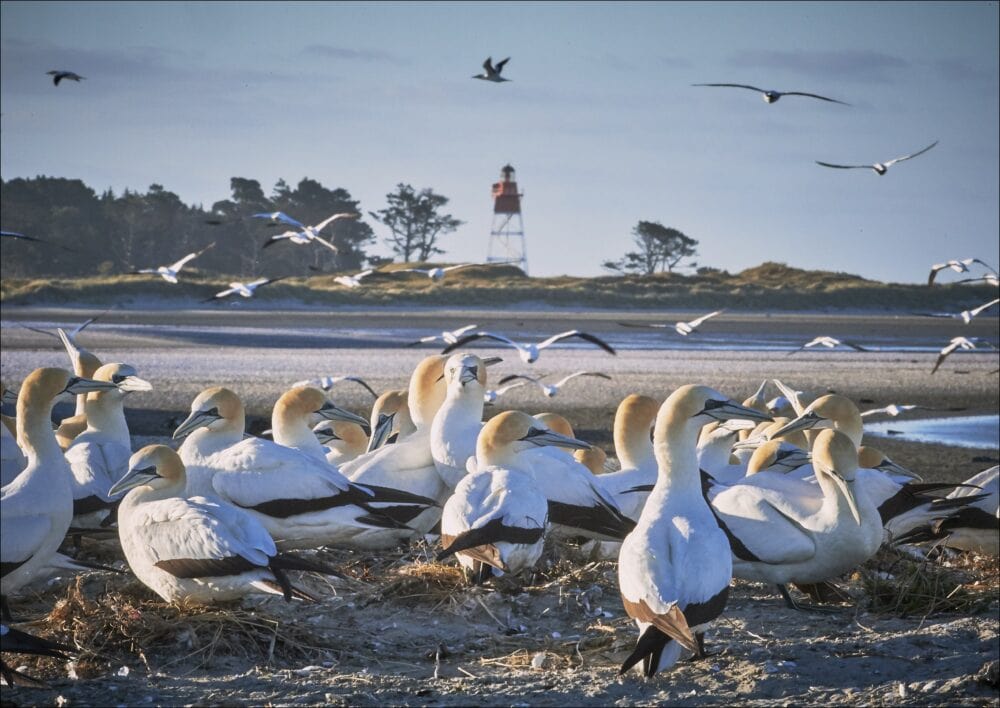
Each year, thousands of migratory birds arrive at Onetahua after extraordinary journeys along the East Asian–Australasian Flyway. Kuaka/bar-tailed godwits, red knots and other shorebirds depend on the Spit’s vast tidal flats to feed, rest and rebuild their strength. Tōrea/South Island pied oystercatchers, Australasian gannets, terns and other coastal birds also gather here in significant numbers.
For some, Onetahua is a summer home, for others, it’s a breeding place. Keeping the dunes, wetlands, and nesting habitat healthy and safe is important well beyond Mohua; it’s part of an international chain of places these birds need to survive.
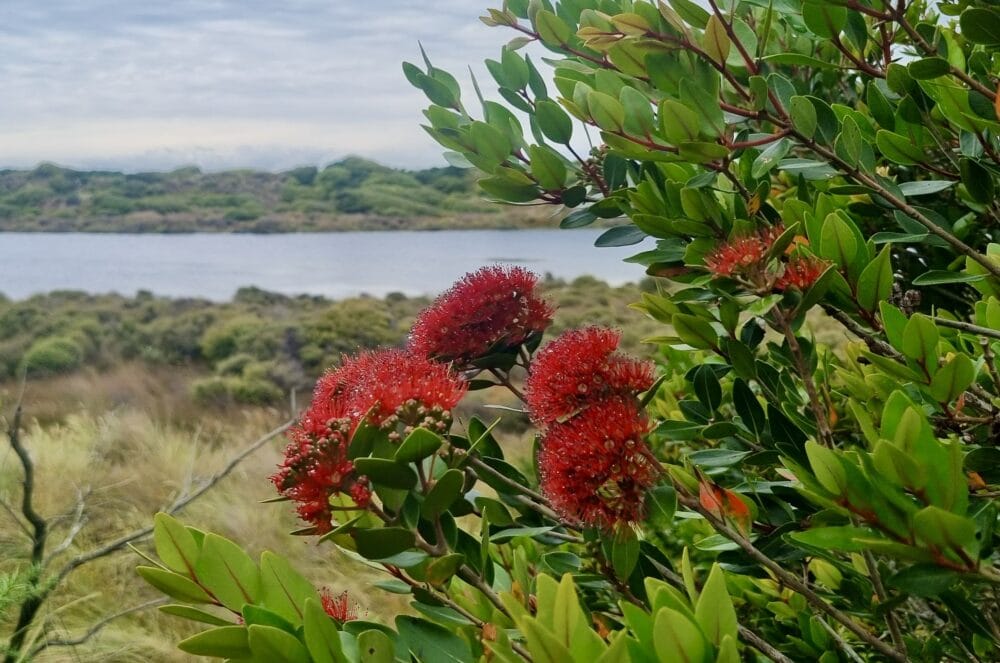
We are also beginning to see the landscape recover. At the far end of the Spit, the team has seen the rātā flower for the first time in years, showing what happens when browsing pressure is removed and native plants recover.
Pest Free Onetahua Project Lead Corey Mosen says the funding is a huge boost for the small team working across a vast and challenging landscape.
“This funding means we can keep our team out there doing the hard yards, expanding our trap networks, flying the drone, getting Argos into the places where a possum might still be hanging on, and sorting any issues before they get away on us.
“We’ve got takahē back in Triangle Flat, kororā breeding and rātā flowering again. We’ve also got thousands of shorebirds relying on this place. Now we can maintain the gains and make room for more threatened species.”
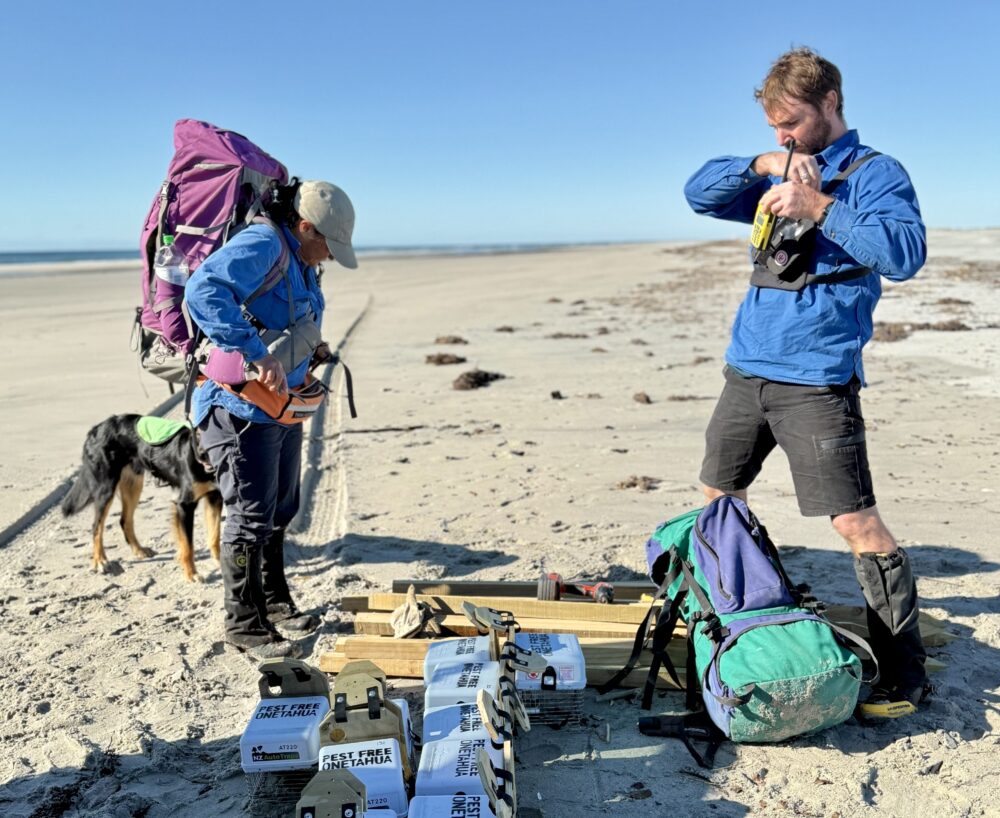
Argos, Corey’s specially trained possum-detection dog, helps locate animals that trapping can miss, while thermal-drone technology allows the team to search difficult areas, and improve operational efficiency.
These tools become even more important as predator numbers fall. Finding the last few animals is often the hardest part of eradication, and detecting an incursion early is vital.
Predator control is particularly important for birds that nest on the ground. Eggs and chicks are vulnerable to rats, stoats feral pigs. Hares and possums also damage the native vegetation that helps form and stabilise the dunes, wetlands and bush areas that birds rely on for feeding, roosting and breeding.
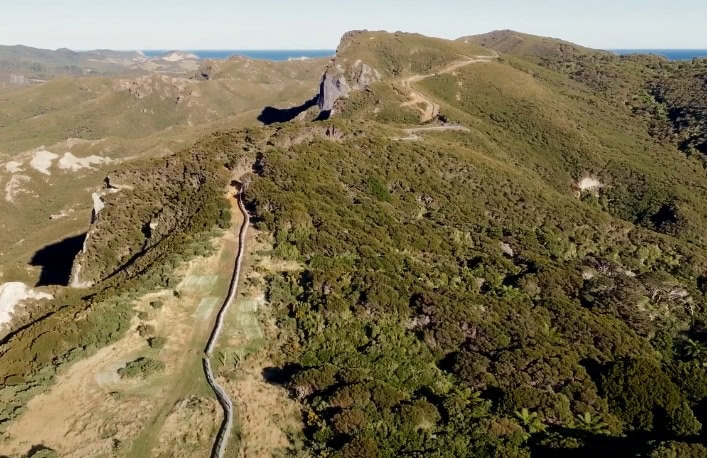
Another important part of the project is the predator-proof fence along the top of the Old Man Range. Pest Free Onetahua contributed $250,000 towards the fence construction through a Lottery grant. Built by HealthPost Nature Trust, it provides a barrier to help prevent possums, pigs and other pests from re-invading Triangle Flat and Farewell Spit.
The DOC funding will help support the field work, monitoring and rapid response needed behind that fence to maintain the gains in Zone 1 of the project area.
It will also strengthen the wider Onetahua Restoration collaboration, where Pest Free Onetahua works alongside Manawhenua ki Mohua, the Department of Conservation and HealthPost Nature Trust, bringing together kaitiakitanga, predator management, habitat restoration, and species recovery.
The immediate priority is Zone 1 Onetahua/Farewell Spit. Around $1.3 million is needed to deliver the planned predator-control programme in this priority area over the next three years. The DOC Community Fund award is a major contribution, but Pest Free Onetahua will continue working with existing and new supporters to secure the remaining funding.
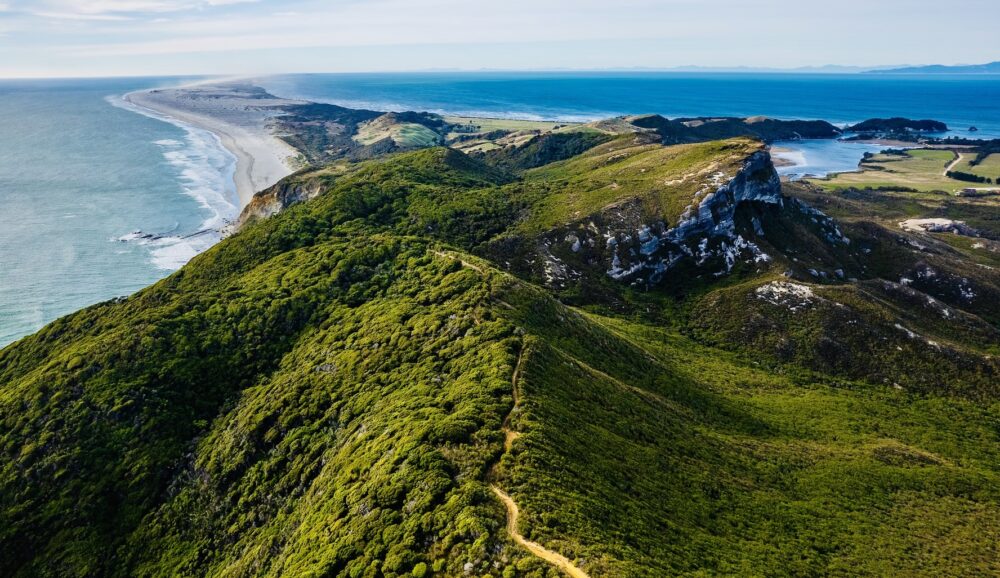
With further investment, the project will progressively expand into Zones 2 and 3, the next 10,000 hectares of the project landscape, bordering Kahurangi National Park.
The signs of what is possible are already here: takahē back, kororā breeding, rātā flowering again, kiwi living within the wider project landscape, and thousands of shorebirds continuing to find food and refuge at Onetahua.
The next three years are about protecting those gains and seeing how much of this unique landscape and its wildlife can recover.